Taylor Otto · 18 October 2026
How Gamification Mechanics Reshape Daily Workflows for Remote Professionals Relying on Cloud-Synced Note Systems
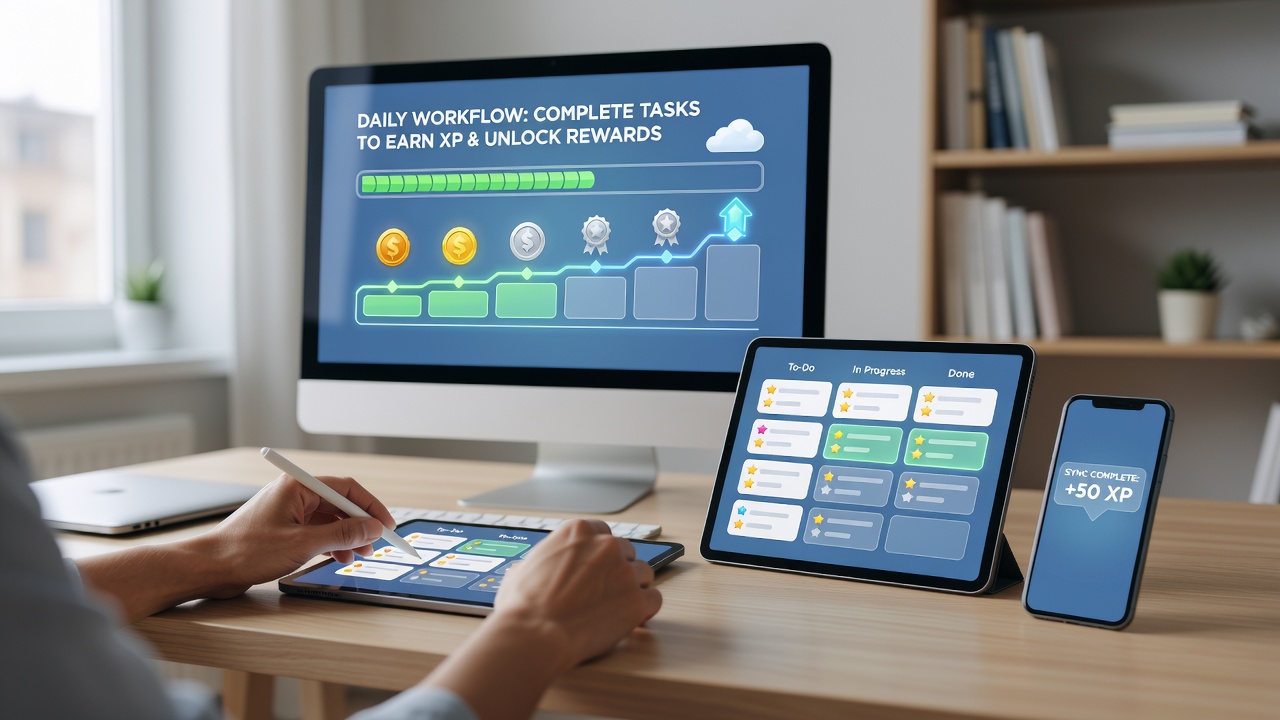
Remote professionals integrate gamification mechanics into cloud-synced note systems to structure their daily tasks, track progress, and maintain consistent output across distributed teams. These systems combine core elements such as points, badges, streaks, and leaderboards with note creation, tagging, and synchronization features that update in real time across devices.
Core Mechanics Applied to Note Workflows
Points systems award values for actions like logging daily objectives, completing tagged entries, or linking notes to project milestones, which then feed into automated dashboards that display cumulative totals. Badges unlock after thresholds such as consecutive days of note activity or collaborative edits shared through cloud versions, while streaks reset only when synchronization fails or entries fall below minimum criteria set by the user or team administrator.
Leaderboards rank participants based on metrics pulled directly from note metadata including word counts, attachment uploads, and cross-references between documents stored in shared cloud folders. These rankings update hourly through API calls that pull from the same backend servers handling note versioning and conflict resolution.
Effects on Task Logging and Prioritization
Professionals structure morning routines around earning initial points by creating note entries that outline priorities, with the system automatically assigning higher multipliers for entries created before 9 a.m. local time. This timing mechanic encourages early synchronization so that updates propagate to team members in different time zones before their own workdays begin.
Afternoon reviews involve tagging completed items to claim badges, and the act of moving notes from active to archived folders triggers visual progress animations that reinforce the workflow loop. Data pulled from app analytics in October 2026 showed increased note creation rates during these review windows across multiple platforms serving remote users.
Collaboration Changes in Distributed Teams
Shared note spaces display team leaderboards that highlight contributors who add the most cross-linked references or resolve the highest number of comment threads within cloud documents. Remote workers adjust their editing schedules to climb these lists, often completing edits during off-peak hours when synchronization latency remains low.
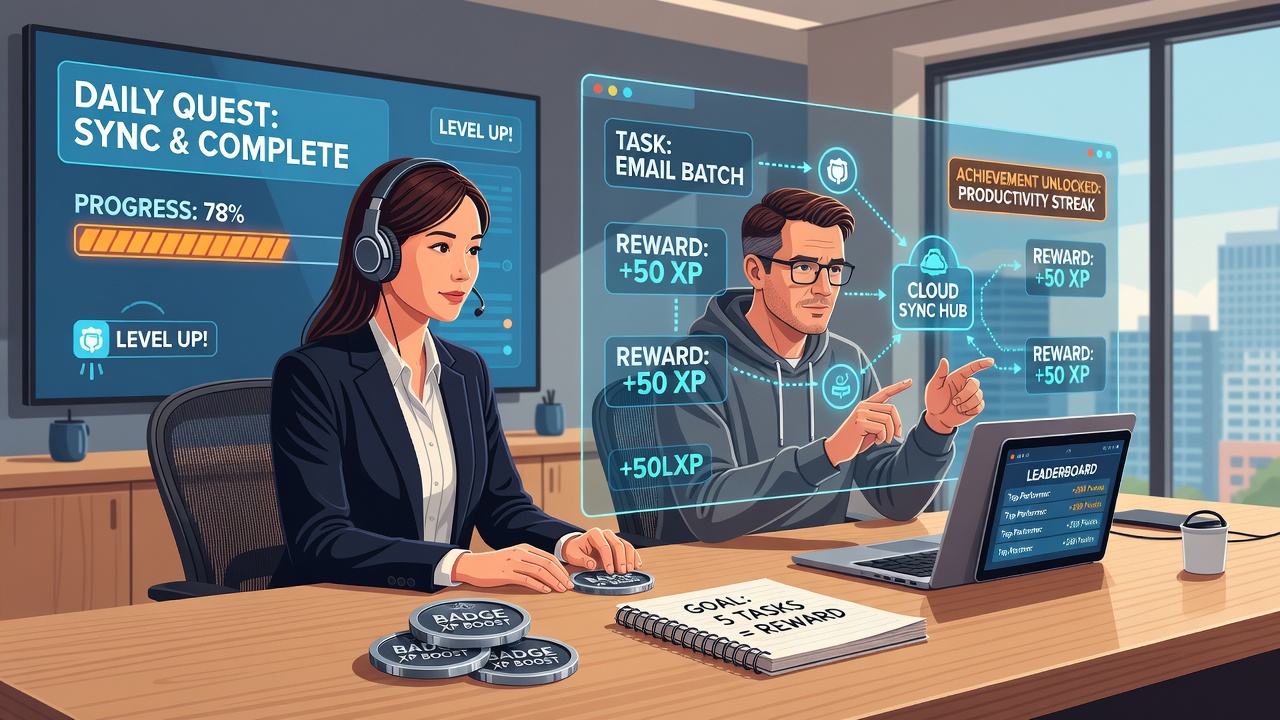
According to Statistics Canada research, remote workers who participate in such systems report higher volumes of synchronized updates per week compared with non-gamified setups. The same mechanics allow managers to assign bonus points for notes that incorporate feedback from multiple regions, which in turn influences how information flows across global teams.
Data Patterns Observed in 2026
Industry reports compiled in October 2026 indicated that note systems incorporating streak mechanics saw retention rates climb when users maintained seven-day activity cycles tied to cloud backups. These cycles aligned with automated reminders that triggered before synchronization windows closed, reducing instances of version conflicts reported by distributed professionals.
Points accumulated from note activity also integrated with external calendars, so that completing a daily log unlocked scheduling suggestions pulled from the same cloud database. This connection allowed workflows to extend beyond the note interface itself while still relying on the core synchronization layer for data consistency.
Integration with Existing Productivity Tools
Many cloud note platforms expose APIs that let gamification layers pull metrics from task managers and communication apps already in use by remote teams. When a note receives a comment that gets resolved within the system, the event registers as a point-earning action that appears on both individual and group dashboards.
Researchers at institutions tracking digital work patterns have documented how these connections reduce context switching because the gamified rewards stay embedded inside the note environment rather than requiring separate applications. In practice, professionals open one interface to handle logging, review, and reward tracking while the cloud layer ensures all changes remain available offline until reconnection occurs.
Conclusion
Gamification mechanics embedded in cloud-synced note systems alter how remote professionals sequence their daily activities, prioritize entries, and measure collaboration output. Points, badges, streaks, and leaderboards operate directly on metadata generated during note creation and synchronization, creating feedback loops that span multiple time zones and devices. Figures from sources including OECD digital economy reports continue to track adoption rates as these features expand across professional workflows.